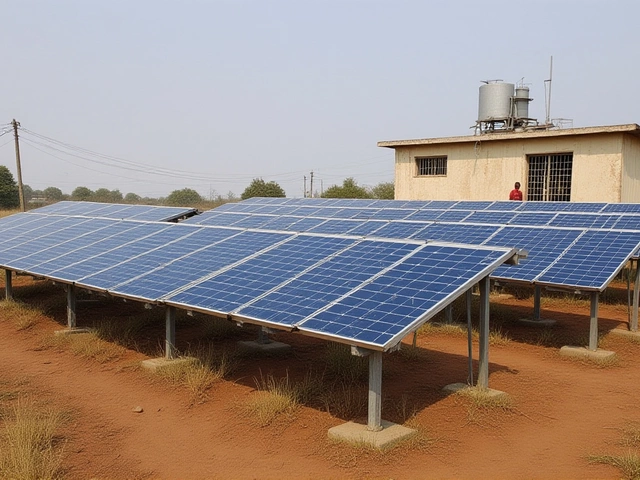
Solar Dilemma: Grid Curtailment Hits Farmers, Loom Solar Pushes Batteries
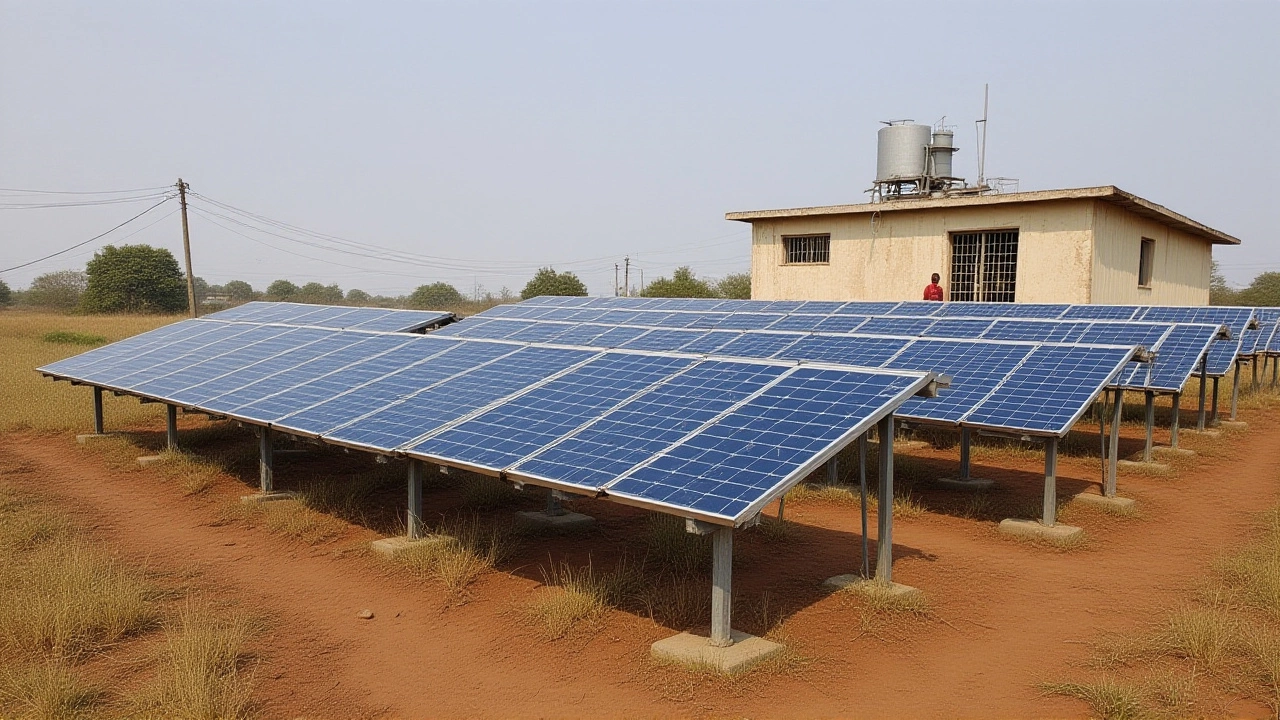
It’s a paradox that has rural India scratching its head. On one side, farmers are being told to shut down their solar plants at the peak of summer because there’s too much power for the grid to handle. On the other, companies like Loom Solar are urging households to invest heavily in battery systems to ensure they never run out of juice. The tension between national grid management and individual energy needs is heating up, quite literally.
The issue isn't new, but recent viral content has brought it into sharp focus. A widely circulated video titled “Are Solar Panels Leading Farmers to Ruin?” highlights a bizarre operational reality: during the sweltering months, specifically between 1:00 PM and 1:30 PM, whistles blow at solar farms. Production stops. Not because the sun went away, but because demand downstream simply doesn’t exist to absorb the surge.
The Midday Shutdown Mystery
Here’s the thing about renewable energy—it’s intermittent by nature, but the grid isn’t always flexible enough to handle the spikes. According to the video source, which has sparked considerable debate online, channel operators halt supply when the grid is saturated. It’s a classic case of supply outstripping demand.
Imagine turning on every tap in your house at once; eventually, the pressure drops or the pipes burst. In the context of Rural India, this midday shutdown means lost revenue for farmers who lease land for solar panels or operate small-scale units. They’re generating clean energy, yet they’re forced to idle their assets because the infrastructure can’t digest the load. It’s an economic headache disguised as an environmental victory.
The video doesn’t name specific villages or districts, but the pattern is recognizable across several states with high solar penetration. The emotional toll is palpable—farmers who invested in green technology feel betrayed by a system that penalizes them for efficiency.
Loom Solar’s Battery Prescription
Enter Loom Solar, a private company manufacturing and selling solar products. Their approach is less about criticizing the grid and more about empowering the individual consumer. In a Hindi blog post titled “Why Install Solar Systems in Rural Areas?”, they lay out a pragmatic argument for self-reliance.
The core advice? Don’t just install panels; install batteries. While inverters come standard, Loom Solar insists that a battery bank is non-negotiable for rural households. Yes, it increases the upfront cost. But here’s the trade-off: you get 24-hour power availability. For a family trying to keep fans running, lights on for studying children, and refrigerators humming through the night, that reliability is worth the premium.
Crunching the Numbers: 1kW Systems
Let’s look at the data, because vague promises don’t pay electricity bills. Loom Solar breaks down the output of a typical residential setup:
- Generation: A 1 kW solar system produces approximately 3–5 units (kWh) of electricity per day, depending on weather conditions and sunlight intensity.
- Consumption: An average rural household consumes roughly 3–6 units of electricity over a 24-hour period.
On paper, the math works. If you generate 4 units during the day and use 4 units over 24 hours, you’re balanced. But the timing is off. You generate all that power between 9 AM and 4 PM. You need it at 8 PM and 6 AM. That’s where the battery comes in.
By storing the excess energy generated during those sunny afternoons—the very same time large grids might be curtailing production—households decouple themselves from the grid’s limitations. It’s a micro-solution to a macro-problem.
Two Sides of the Same Coin
The contrast between these two narratives is stark. One highlights systemic failure: the grid’s inability to manage peak solar generation, hurting producers. The other offers a consumer-centric fix: store your own power so you don’t care what the grid does.
This isn’t just about convenience. It’s about security. In rural areas, power cuts aren’t just annoying; they disrupt livelihoods. Dairy farmers need milk chillers. Tailors need machines. Students need light for homework. When the grid fails—or deliberately throttles supply—those relying solely on it are left in the dark.
Experts suggest that while battery costs are falling, they remain a barrier for many low-income families. However, as lithium-ion prices continue to drop, the total cost of ownership for hybrid systems (panels + battery) is becoming competitive with traditional diesel generators or even unstable grid connections.
What’s Next for Rural Energy?
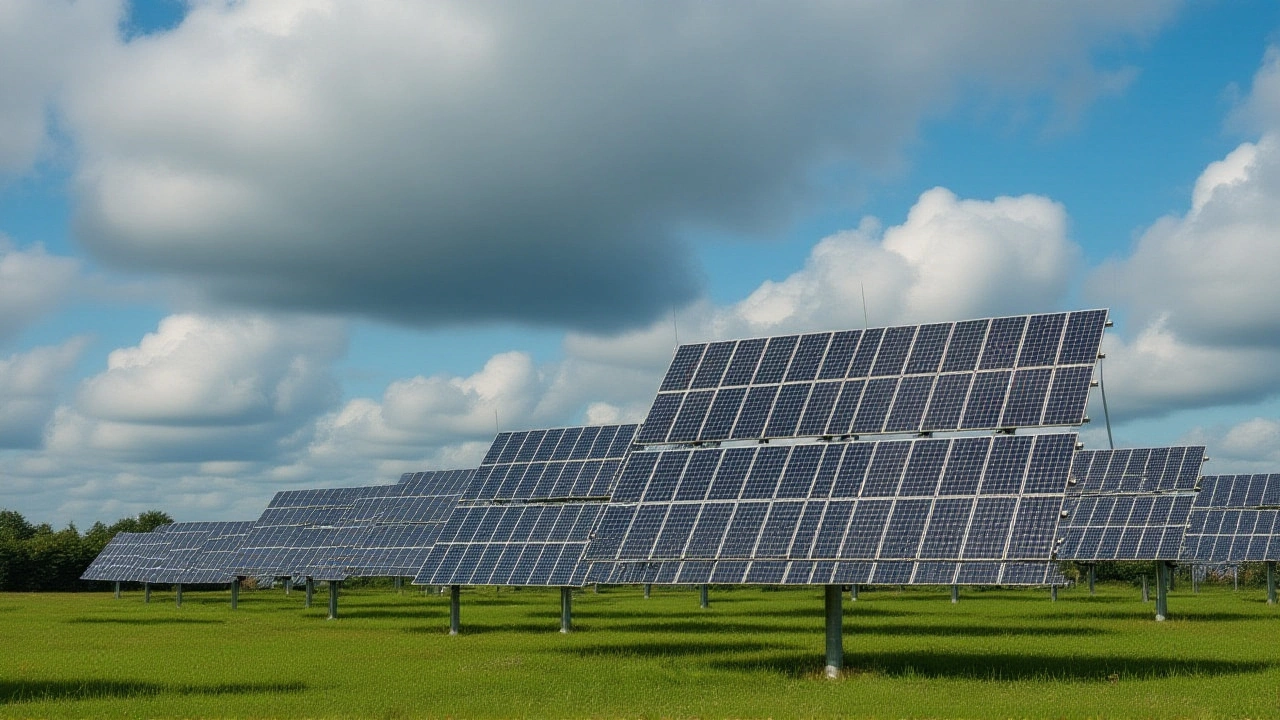
The future likely lies in a hybrid model. We need better grid infrastructure to handle midday surges without shutting down producers. Simultaneously, decentralized storage solutions like those promoted by Loom Solar offer immediate relief for households.
For now, the message to rural consumers is clear: if you want independence, you have to store the power. And for policymakers, the warning is equally loud: if you don’t upgrade the grid, you’ll face growing resentment from the very communities pushing for green energy.
Frequently Asked Questions
Why do solar plants stop producing power at noon?
During peak sunlight hours, particularly between 1:00 PM and 1:30 PM in summer, solar generation often exceeds the immediate demand on the electrical grid. Since the grid cannot easily store this excess energy, operators may force plants to reduce output or shut down temporarily to prevent instability. This practice, known as curtailment, results in lost revenue for solar producers.
How much electricity does a 1 kW solar system produce daily?
According to data from Loom Solar, a 1 kW solar system typically generates between 3 and 5 units (kWh) of electricity per day. This output varies based on local weather conditions, seasonal changes, and the angle of sunlight. It is sufficient to cover the basic needs of a small household if paired with appropriate storage.
Is it necessary to install a battery with a home solar system?
While not strictly mandatory for grid-tied systems, Loom Solar strongly recommends batteries for rural households. Without a battery, you only have power when the sun shines. A battery allows you to store excess daytime energy for use at night, ensuring 24/7 power availability and protecting against grid outages or curtailment events.
What is the average daily electricity consumption of a rural household?
An average rural household in India consumes approximately 3 to 6 units of electricity per day. This includes lighting, fans, mobile charging, and small appliances. Understanding this baseline helps in sizing both the solar panel array and the battery capacity to ensure complete energy independence.
How does grid curtailment affect farmers?
Farmers who lease land for solar projects or operate small-scale solar units lose income when production is halted due to grid saturation. Even though they are providing clean energy, the lack of demand absorption means they receive no payment for that curtailed power. This creates financial uncertainty and discourages further investment in solar infrastructure.