Yogi Adityanath Hits Back at Rahul Gandhi Over 'Traitor' Remarks
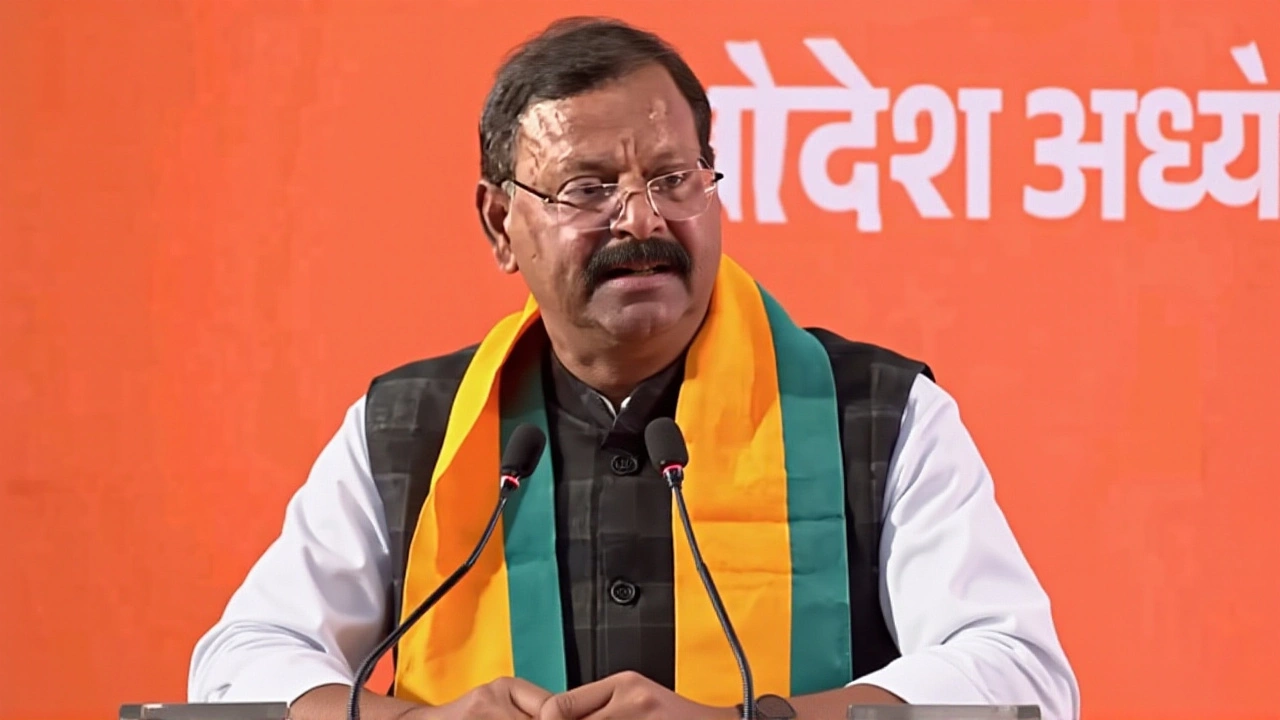
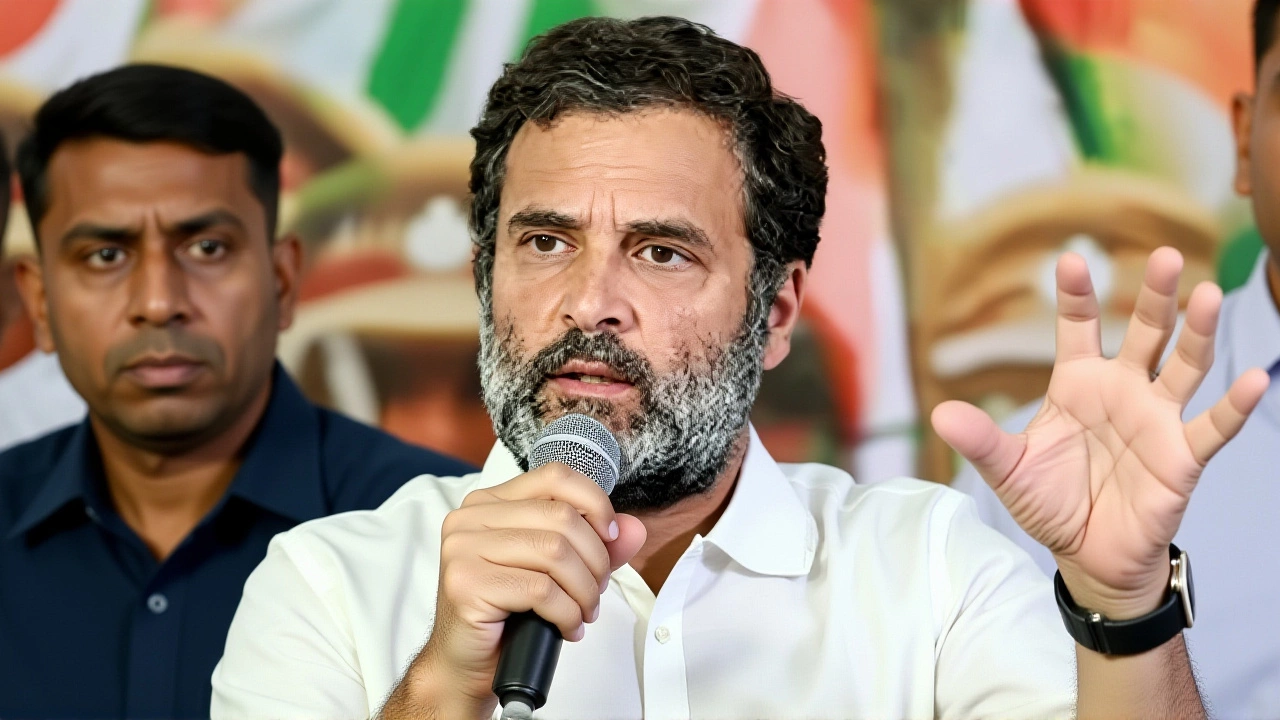
The political temperature in Uttar Pradesh has spiked to a fever pitch after Rahul Gandhi, Member of Parliament from Rae Bareli and senior leader of the Indian National Congress, sparked a firestorm with his latest remarks. The controversy centers on Gandhi’s characterization of top national leaders as "traitors," a move that has triggered an immediate and aggressive counter-attack from the state’s leadership.
Here’s the thing: this isn’t just another routine exchange of barbs between India’s two largest political parties. It’s a direct challenge to the authority of the central government, delivered in one of the country’s most politically significant battlegrounds. The fallout is already visible on the streets, with protests erupting across key constituencies.
The Spark That Ignited the Controversy
During a public address in Rae Bareli, Gandhi made headlines by referring to Narendra Modi, Prime Minister of India and Amit Shah, Union Home Minister, using the Hindi word "gaddar," which translates directly to traitor. This specific choice of language was not subtle. In Indian political discourse, accusing sitting leaders of treasonous behavior crosses a line that few opposition figures dare to tread openly.
The remark quickly went viral, dominating news cycles and social media feeds within hours. For the Congress party, it appears to be a strategy of high-stakes confrontation, aiming to delegitimize the current administration’s moral standing. But for the ruling coalition, it represents an attack on democratic norms and the electoral mandate they secured.
Yogi Adityanath’s Sharp Retort
The response came swiftly from Yogi Adityanath, Chief Minister of Uttar Pradesh. Rather than engaging in a direct name-calling match, Adityanath took to X (formerly Twitter) to deliver a calculated rebuke. He referred to Gandhi as the "prince" of the Congress party—a nod to his lineage—while framing the comments as indicative of deeper ideological rot.
"The indecent comment by the 'prince' of the Congress, the mother of divisive and appeasement politics, reflects their negative politics, uncontrolled thinking, and disrespect towards democratic values," Adityanath wrote. His message was clear: this wasn’t just about personal insults; it was about the integrity of the democratic process itself.
Adityanath went further, stating that such remarks insult the "mandate, trust, and democratic traditions" of India’s 145 crore citizens. By invoking the sheer scale of the population, he aimed to elevate the issue from a partisan squabble to a matter of national dignity. He demanded a public apology from Gandhi, labeling the statement as objectionable, unparliamentary, and born out of frustration.
Protests Erupt from Rae Bareli to Amethi
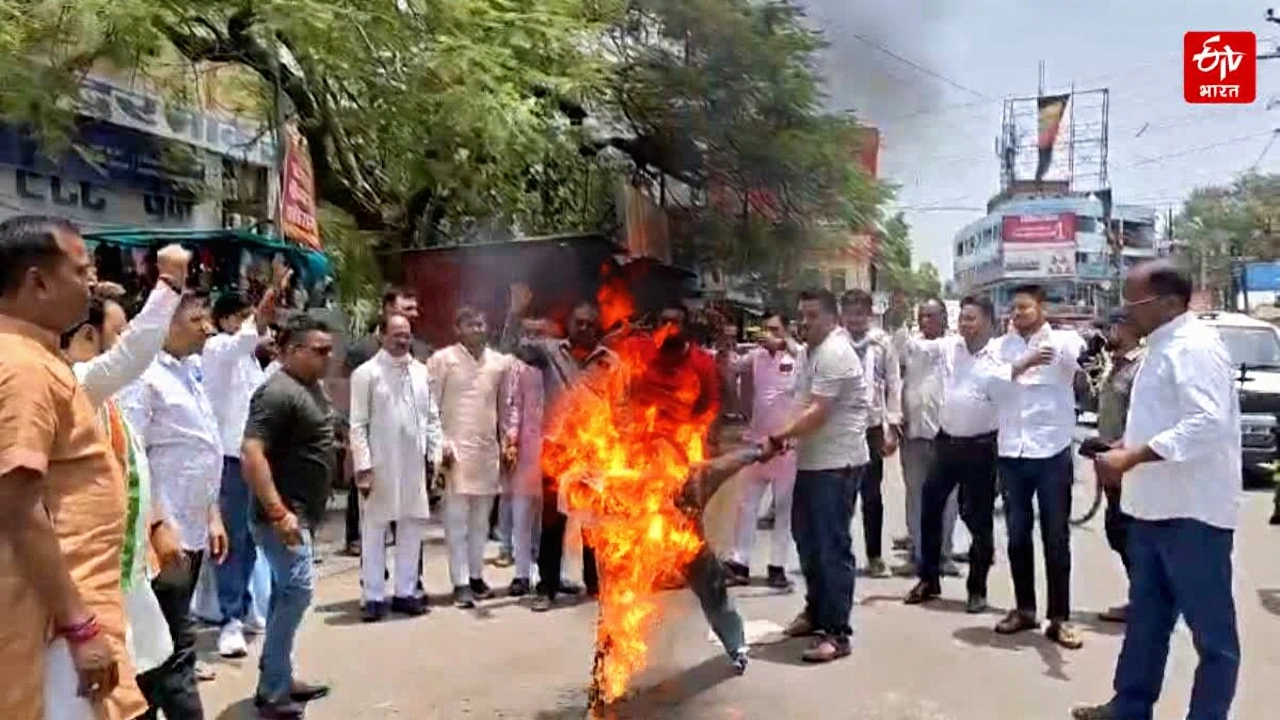
The rhetoric didn’t stay confined to digital platforms. On the ground, the reaction was visceral. Workers of the Bharatiya Janata Party (BJP) organized protests in both Rae Bareli and Amethi—the latter being the constituency of former Prime Minister Manmohan Singh and Rahul Gandhi’s father, Rajiv Gandhi.
Demonstrators chanted slogans like "Rahul Gandhi, go back," signaling a rejection of his presence and policies in these historically Congress-dominated areas. The visibility of these protests suggests that the BJP is actively mobilizing its grassroots network to capitalize on the anger generated by Gandhi’s comments. It’s a tactical move designed to show strength and unity in the face of what they perceive as disrespectful opposition tactics.
Broader Political Implications
This incident highlights the increasingly polarized nature of Indian politics. With elections looming, every word spoken by top leaders carries immense weight. Gandhi’s use of strong language may resonate with some voters who feel disillusioned with the status quo, but it also risks alienating moderate supporters who prefer decorum in political debate.
Meanwhile, the unified response from BJP leadership—including Deputy Chief Ministers Keshav Prasad Maurya and Brajesh Pathak, as well as the party president—demonstrates a coordinated effort to frame the narrative. They are positioning themselves as defenders of democratic values against what they describe as divisive rhetoric. This alignment strengthens their stance ahead of future electoral battles.
The mention of the Rashtriya Swayamsevak Sangh (RSS) in Adityanath’s statement adds another layer of complexity. The RSS is the ideological parent organization of the BJP, and linking Gandhi’s comments to an insult against the RSS broadens the scope of the offense beyond individual politicians to include the cultural and organizational backbone of the ruling party.
What Comes Next?
All eyes are now on Rahul Gandhi. Will he issue the requested apology, or will he double down on his criticism? His next move will define whether this becomes a short-lived scandal or a prolonged campaign defining moment. If he apologizes, critics may accuse him of weakness. If he doesn’t, the BJP will likely continue to amplify the issue, keeping it in the spotlight until it impacts voter sentiment significantly.
For now, the political atmosphere in Uttar Pradesh remains heated. The clash underscores how personal attacks can quickly escalate into broader debates about democracy, respect, and governance. As tensions rise, the focus shifts to how ordinary citizens interpret these exchanges and whose narrative they choose to believe.
Frequently Asked Questions
Why did Rahul Gandhi call PM Modi and Amit Shah 'traitors'?
Rahul Gandhi used the term during a speech in Rae Bareli to criticize policies and actions attributed to the central government. His intent appears to be challenging the legitimacy and moral authority of the current administration, framing their governance as detrimental to national interests. However, the specific policy details were less emphasized than the emotional impact of the label.
How did Yogi Adityanath respond without naming Rahul Gandhi directly?
Adityanath referred to Gandhi as the "prince" of the Congress party, a common epithet referencing his family legacy. This allowed him to critique the remarks while maintaining a veneer of diplomatic distance. He focused on the nature of the comment rather than the person, calling it indecent and disrespectful to democratic values and the 145 crore citizens of India.
What happened in Rae Bareli and Amethi following the remarks?
BJP workers organized protests in both districts, raising slogans demanding Rahul Gandhi leave. These areas are politically symbolic, with Amethi being associated with Gandhi's family history. The protests served as a visual demonstration of local opposition to his statements and a way for the BJP to mobilize support in regions traditionally held by the Congress party.
Is this type of language common in Indian political debates?
While political rhetoric in India can be intense, labeling sitting prime ministers and cabinet ministers as "traitors" is relatively rare and considered highly provocative. Most disputes remain within bounds of policy criticism or procedural disagreements. This incident stands out for its severity and the potential legal or parliamentary repercussions it could trigger.
Who else joined Yogi Adityanath in criticizing Rahul Gandhi?
Deputy Chief Ministers Keshav Prasad Maurya and Brajesh Pathak, along with the President of the Bharatiya Janata Party, issued statements supporting Adityanath’s stance. Their collective response indicates a unified front within the BJP leadership, aiming to present a cohesive narrative that condemns the remarks as unacceptable and damaging to democratic discourse.