India Fuel Crisis: 4 Hikes in 11 Days Spark Political War
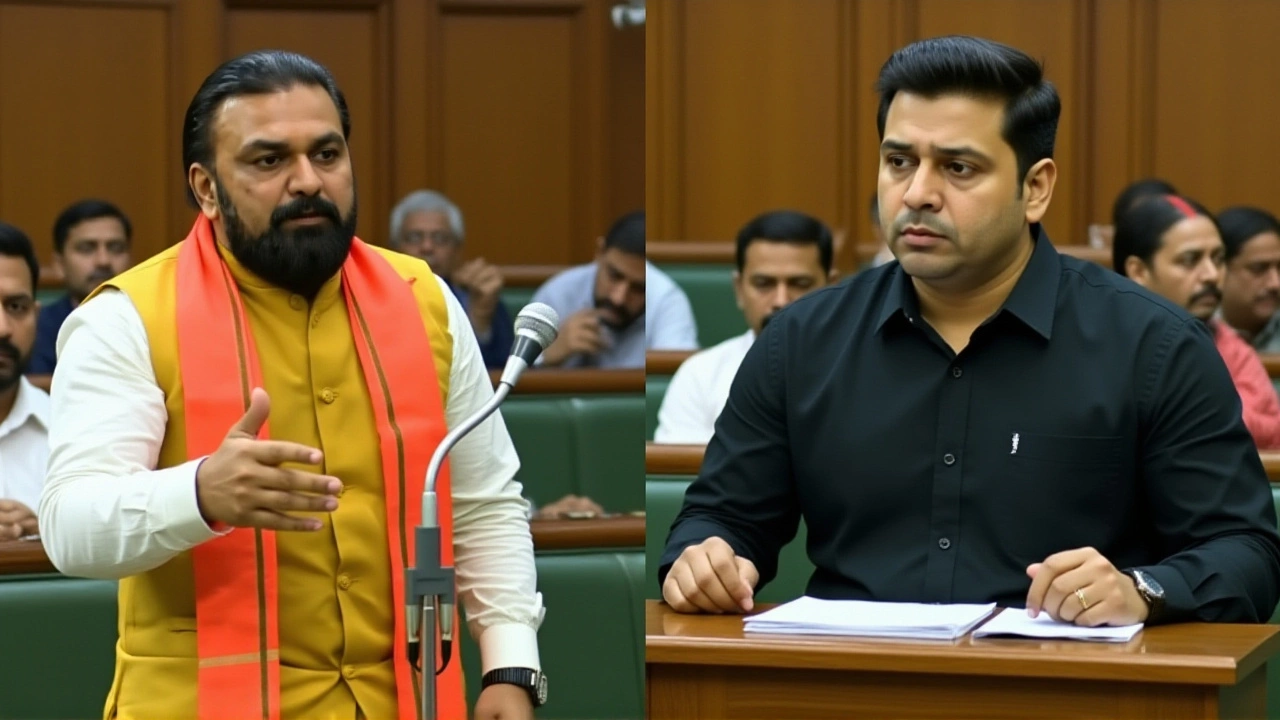
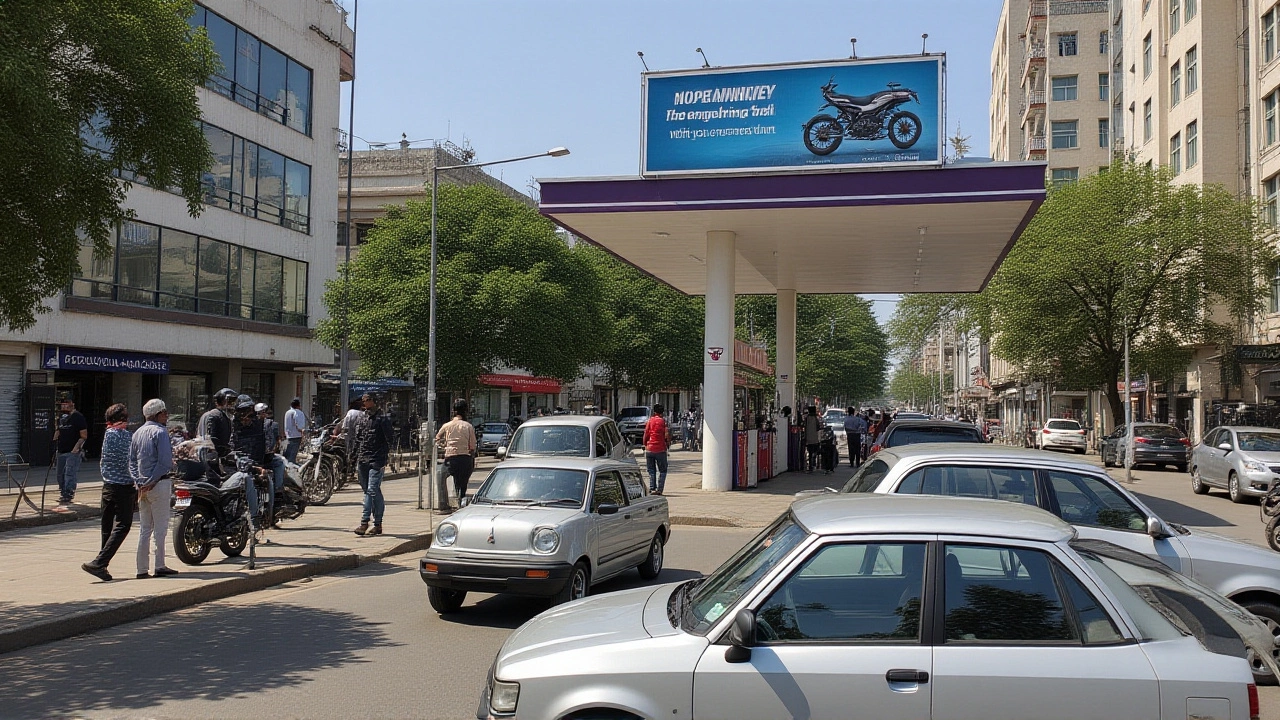
It’s a familiar frustration for anyone standing at a pump in New Delhi, but this time it feels different. In just 11 days, fuel prices have jumped four times. The latest surge isn’t just about the cost of a commute; it’s igniting a fierce political firestorm across the country.
As of late May 2026, petrol and diesel prices have climbed sharply, with cumulative increases reaching ₹7.35 per litre for petrol and ₹7.53 for diesel in the capital. But the numbers tell only half the story. The real drama is unfolding in parliament and on television screens, where opposition leaders are accusing the central government of exploiting global chaos to drain household savings.
The Numbers Behind the Surge
Here’s the thing: these aren’t minor adjustments. Between mid-May and May 25, 2026, Indian consumers faced three separate hikes within a nine-day window, followed by a fourth increase shortly after. In total, petrol prices rose by approximately ₹5 per litre nationally, while compressed natural gas (CNG) saw a ₹4 per kilogram jump.
In Delhi, the impact was even starker. After the phased revisions, the cumulative rise hit ₹7.38 per litre for petrol. That represents a 7.8% increase in just ten days. To put that in perspective, some analysts note that compared to earlier baselines, petrol has become up to 43% more expensive, and diesel up to 68%. For daily wage earners, that’s not just an inconvenience—it’s a crisis.
One specific revision day alone saw petrol prices jump by ₹2.61. It’s a staggering pace of inflation that leaves many wondering if the bottom has been reached. Or if this is just the beginning.
Geopolitics Meets Your Wallet
So, why now? The government points to factors beyond its control. Global crude oil prices are volatile, driven by escalating tensions in the Middle East. Specifically, the US-Iran tensionsStrait of Hormuz have created uncertainty in energy markets.
Reports cite increased friction around the Strait of Hormuz—a critical chokepoint for global oil supply—as a primary driver. Additionally, recent attacks on infrastructure, including a reported incident at a nuclear plant in the United Arab Emirates, have spooked investors. When crude gets expensive, domestic fuel prices follow suit. It’s basic economics, but it doesn’t make the pain any easier to swallow.
The Bharatiya Janata Party (BJP) argues that these are global conditions exacerbated by previous international policies. They maintain that the current administration is managing a difficult external environment rather than imposing arbitrary taxes. But does that explanation resonate with commuters paying more for every kilometer?
Opposition Fires Back
The opposition isn’t buying it. Mallikarjun Kharge, President of the Indian National Congress, has led the charge against the Narendra Modi-led Government. His accusation is blunt: the government is committing "looting of people's earnings in installments."
Kharge alleges that over time, high fuel prices have extracted ₹42 lakh crore from the public purse. He claims the administration is using the "Middle East crisis" as a pretext to impose incremental financial burdens on ordinary citizens. The language used in debates is fiery, with phrases like "robbing the public in installments" becoming common rhetoric.
This isn’t just talk. On the ground, reports indicate panic at roughly 1,000 petrol pumps where fuel supplies ran dry. This shortage added to the public’s anxiety, turning economic discontent into visible unrest. Leaders like Rahul Gandhi have highlighted these shortages, framing them as evidence of systemic failure.
Beyond the Capital: Regional Ripples
The anger isn’t confined to Delhi. State-level politics are heating up too. In Bihar, Chief Minister Nitish Kumar (often referred to in local media contexts alongside figures like Tejashwi Yadav) is facing pressure as transport costs soar. Similarly, in West Bengal, discussions link fuel prices to broader issues of livelihood and inflation.
Television debates have turned into battlegrounds. Programs featuring anchors like Sandeep Chaudhary frame the issue as a direct assault on the middle class. The narrative is clear: inflation is attacking daily life, affecting everything from vegetable prices to medicine costs. When transport becomes expensive, the cost of goods rises. It’s a ripple effect that touches every household.
What Comes Next?
The big question hanging over the market is simple: will prices go up again? With US-Iran tensions unresolved and global crude prices remaining volatile, experts warn that further hikes are possible. Prime Minister Narendra Modi has issued appeals for calm, but the underlying economic pressures remain intact.
If the geopolitical situation worsens, we could see another round of adjustments. For now, consumers are left waiting, watching their wallets shrink with each pump fill-up. The political battle lines are drawn, but the real victims are those trying to get by in an increasingly expensive economy.
Frequently Asked Questions
How much did fuel prices increase in May 2026?
In the last 11 days of May 2026, there were four separate hikes. In New Delhi, petrol prices rose cumulatively by ₹7.35 per litre, and diesel by ₹7.53 per litre. Nationally, the average increase was approximately ₹5 per litre for petrol and diesel, with CNG rising by ₹4 per kilogram.
Why are fuel prices rising so quickly?
The primary drivers are global geopolitical tensions, specifically between the US and Iran, which have disrupted oil supplies through the Strait of Hormuz. Attacks on infrastructure in the UAE have also contributed to volatility in global crude oil prices, forcing domestic adjustments.
What is the opposition's main argument against the government?
Led by Mallikarjun Kharge, the opposition accuses the government of using global crises as an excuse to raise taxes. They allege that ₹42 lakh crore has been extracted from the public through high fuel prices, describing the policy as "looting in installments."
Have there been fuel shortages?
Yes, reports indicate that fuel ran out at approximately 1,000 petrol pumps across the country, causing panic among consumers. These shortages have intensified public anger and fueled criticism of the government's management of energy supplies.
Will prices continue to rise?
Experts suggest that further increases are likely if geopolitical tensions in the Middle East persist. With crude oil prices remaining unstable due to US-Iran conflicts and regional instability, the risk of additional domestic price hikes remains high.